Back pain affects millions of people across the UK, with estimates suggesting that up to one in three adults experiences some form of spinal discomfort each year. For many sufferers, the fear of surgery looms large, with invasive procedures often presented as the only viable solution. However, advances in non-surgical spinal care are fundamentally changing the landscape of treatment, offering effective relief without the risks, costs, and extended recovery times associated with operations.
Understanding Non-Surgical Spinal Treatments
Non-surgical spinal care encompasses a comprehensive range of evidence-based treatments designed to address the root causes of back pain, sciatica, and postural dysfunction. Rather than simply masking symptoms with medication, these approaches focus on restoring proper spinal alignment, reducing inflammation, improving mobility, and strengthening the supporting musculature.
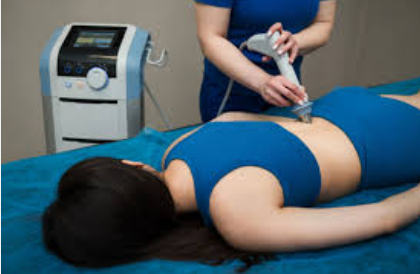
Common non-surgical interventions include precise spinal manipulation, targeted exercise rehabilitation, soft tissue therapy, and ergonomic and lifestyle modifications. Unlike surgical interventions, which permanently alter spinal structures, these conservative methods carry minimal risk and can be carefully tailored to each patient’s specific condition, age, and overall health goals.
Practitioners specialising in this field typically undergo extensive training in spinal biomechanics, neurology, and musculoskeletal health. This expertise allows them to identify the underlying causes of pain—whether stemming from disc issues, nerve compression, muscular imbalance, or joint dysfunction—and develop individualised treatment protocols.
Why Patients Are Choosing Conservative Care
The growing appeal of non-surgical care lies in its holistic, patient-centred approach. Individuals not only experience meaningful pain relief but also acquire practical knowledge and exercises to prevent future episodes. This proactive model of healthcare empowers patients to take sustained control of their spinal health without developing dependency on pain medication or facing the irreversible consequences of surgery.
Clinical research consistently supports the efficacy of conservative treatments for common conditions such as herniated discs, sciatica, spinal stenosis, and chronic lower back pain. For the majority of patients, these approaches provide comparable or superior long-term outcomes to surgical alternatives, with significantly fewer complications and substantially lower healthcare costs.
Furthermore, non-surgical care often produces faster initial results. Patients typically report reduced pain and improved function within the first few sessions, whereas surgical recovery can require weeks or months of rehabilitation before benefits become apparent.
Accessing Quality Spinal Care in Milton Keynes
For residents of Milton Keynes and the surrounding Buckinghamshire area, accessing specialist spinal care has become increasingly straightforward. The region now hosts several clinics offering comprehensive assessment and treatment programmes that rival the standards available in major London centres, without the associated travel burden.
When evaluating potential providers, patients should prioritise several key factors: practitioners with recognised qualifications and specialised training in spinal health; a thorough initial consultation including detailed history-taking and physical examination; transparent treatment plans with clear goals and timelines; and a track record of positive patient outcomes supported by testimonials or reviews.
The ideal clinic will also emphasise education, ensuring patients understand their condition and the rationale behind each treatment modality. This collaborative approach fosters better adherence to treatment plans and more sustainable long-term results.
One established provider serving the Milton Keynes community is non-surgical spinal care clinic in Milton Keynes, led by experienced practitioner Peter Olsson. The clinic focuses on delivering personalised, evidence-based treatments for back pain, sciatica, and related spinal conditions, helping patients return to active, pain-free living.
Conclusion
Non-surgical spinal care represents a safe, effective, and increasingly preferred alternative for the vast majority of back pain sufferers. By choosing conservative treatment as a first-line approach, patients can avoid unnecessary surgical risks while achieving lasting relief, improved function, and enhanced quality of life. For those in the Milton Keynes area, quality specialist care is readily available close to home.