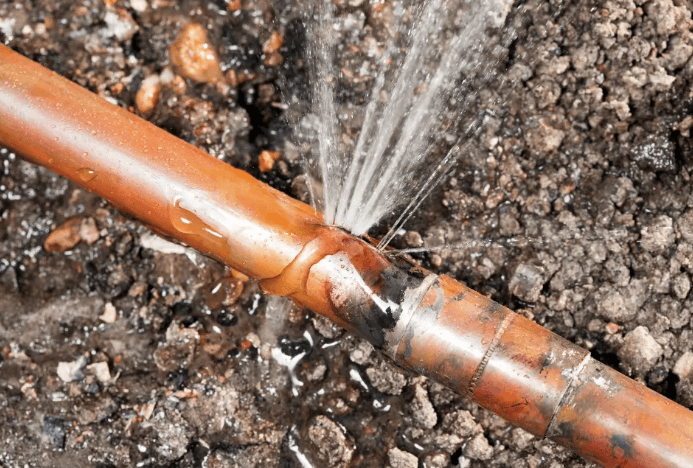
A burst pipe demands swift, methodical action. First, shut off the main water supply to stop the flow, then isolate the affected line with appropriate valves and tools. Apply immediate containment from the emergency kit to slow leakage and protect critical systems. With safe access, perform a controlled stabilization and assess material integrity, while planning temporary fixes and coordinating licensed professionals for a permanent solution. The next steps hold the key to preventing further damage and ensuring reliable operation.
Quick Assessment: Is This a Safe, Shorable Fix?
A quick assessment determines whether a burst pipe can be stabilized with a safe, shorable fix or requires emergency professional service. The evaluation focuses on rupture size, water pressure, and material integrity, with clear safety considerations for occupants and surroundings. If parameters exceed threshold, postpone repairs and engage licensed support; otherwise, proceed with controlled stabilization steps and documented precautions. Quick assessment informs decision-making.
Immediate Shutoff and Containment Steps You Can Do Now
Immediate shutoff and containment should be performed promptly to minimize water damage and equipment loss. The procedure emphasizes controlled valve closure, reducing pressure, and isolating the affected line with appropriate tools. Document shutoff safety measures for responders, ensuring personal protection and clear access. Coordinate insurance steps, preserve evidence, and photograph the scene to support claims and faster settlement.
Temporary Repairs to Limit Damage Until Help Arrives
Temporary repairs aim to slow further water loss and protect critical systems while professional responders arrive.
The analysis identifies viable measures for a broken pipe, emphasizing a temporary fix that minimizes damage until repair crews secure a stable water seal. Utilize an emergency kit to deploy clamps, tape, and gaskets, ensuring rapid, disciplined application and minimal system disruption.
See also: Crypto Regulations Around the World
Restore Safety and Prevent Future Bursts: Checks and Follow-Up Actions
Following the initial emergency response, a structured safety verification and prevention plan ensures both immediate protection and reduced recurrence risk, focusing on systematic checks, documentation, and corrective actions.
The approach emphasizes quick safety, verified shutoffs, and permanent repairs scheduling.
Temporary containment is replaced by leak-stopper measures as needed, with moisture control, pressure tests, and follow-up inspections to prevent future bursts.
Conclusion
In sum, swift action hinges on immediate shutoff, rapid containment, and documented steps for responders. A disciplined sequence—assess safety, isolate the line, apply temporary gaskets and clamps, and minimize water exposure—offers a clear path until licensed professionals arrive for permanent repair. An illuminating statistic: in residential bursts, proactive shutoffs reduce water damage by up to 50% within the first hour, underscoring the value of rapid, methodical response and preparedness. This disciplined approach enhances safety and preserves essential infrastructure.